Hey there, if you’re someone in the manufacturing, metalworking, or even automotive parts game, you’ve probably heard the term “quenching furnace” thrown around more than a few times. But let’s be real—most folks don’t sit around geeking out over heat treatment gear, right? I get it, I’m the kind of person who’d rather talk about how a tool makes your job easier than get bogged down in jargon for hours. I’ve been in this quenching furnace supplier game for over a decade now, and I’ve lost count of how many times I’ve gotten a call from a shop owner or operations manager saying, “We’ve been using this old rig for years, but it’s giving us headaches.” Most of the time, that headache could be fixed with a proper quenching furnace—no, it’s not just a fancy box that heats metal up fast, it’s a game changer. Let’s break down why this stuff matters, no stuffy textbook talk, just the real, on-the-ground advantages I’ve seen first-hand. Quenching Furnace
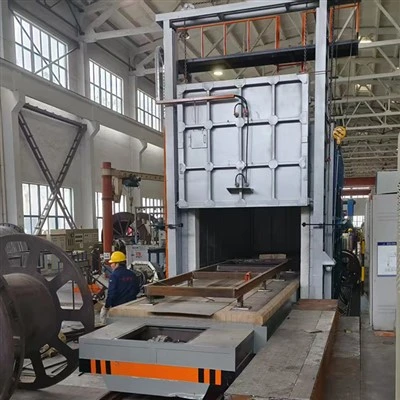
First off, let’s get one thing straight: quenching isn’t just “heating metal and dunking it.” It’s a precise process where you take metal (usually steel, aluminum, even some superalloys), heat it to a specific temperature to change its internal structure, then cool it quickly—usually in water, oil, or polymer—to lock in that new, stronger structure. And the furnace is the heart of that whole operation. If you’ve ever used a batch oven for heating, you know the problem: uneven heat. Like, one part of the metal is way hotter than the other, so when you quench it, some areas harden too much, some don’t, and you end up with parts that crack or wear out way faster than they should. That’s where a quality quenching furnace shines. The best ones use controlled atmosphere systems—so no oxidation or decarburization, which is just fancy talk for “no rusty spots or lost carbon that makes metal weak.” I’ve had customers tell me they used to lose 10-15% of their parts to scrap because of inconsistent heating. Switch to a quenching furnace, and that number drops to 1-2% max. That’s money back in your pocket faster than you can finish a coffee.
Speaking of money, let’s talk about efficiency. Old-style furnaces (you know, the ones with gas burners that roar and waste half the heat out the exhaust) are energy hogs. A lot of modern quenching furnaces—even the mid-tier ones—are insulated way better. They use radiant heating elements that turn almost all the power into usable heat, not just hot air escaping into the shop. And a lot of them are designed for automated loading and unloading. I had a small job shop client who was doing everything by hand—loading parts in, waiting for them to heat, hauling them out to quench. They’d have two guys working 10-hour shifts just to hit production targets. We swapped in a quenching furnace with a simple automated rack system, and now one guy runs it in 6-hour shifts, same output. Less labor, less energy, less scrap—immediate cost savings. Don’t get me wrong, the upfront cost isn’t nothing, but when you add up what you’re saving on scrap, electricity, and labor, it pays for itself in a year or two. I’ve seen it over and over.
Then there’s quality consistency. If you’re making parts for automotive, aerospace, or even construction equipment, you can’t afford parts that vary. A car gear that’s too soft will strip, a bolt that’s too brittle will snap—people rely on that stuff. Quenching furnaces take all the guesswork out of it. You set the temperature, set the cool rate, and it does the exact same thing every single time. No more “well, the tech said this batch heated longer because the oven was acting up.” I had an aerospace parts customer a while back—they were getting audited every quarter, and their old heat treatment process kept failing because they couldn’t prove consistent results. They switched to our quenching furnace, which logs every single parameter: heat time, cool rate, atmospheric levels, even how many parts are in each batch. Now their audits pass with flying colors, no problem. That consistency isn’t just good for your parts—it’s good for your reputation. If your customers know every part you make is the same, they’ll keep coming back.
Wait, and let’s not forget about part performance. The whole point of quenching is to make metal harder, stronger, and more wear-resistant. But if you do it wrong, you get parts that are either too soft and wear out fast, or too brittle and crack. A good quenching furnace lets you adjust the cool rate super precisely. For example, high-speed steels used in cutting tools need a fast quench to get that sharp, tough edge, while some structural steels need a slower cool to avoid cracking. Old, unregulated cooling (like dunking a hot batch in a bucket of water) means you can’t adjust that. With a quenching furnace, you can control the quenchant temperature, even mix different quenchants for different parts. I had a tool maker client who was using generic steel for their drill bits, and they kept breaking after 10 uses. We tweaked their quenching process with a furnace that lets them use a polymer quenchant at a specific temperature, and now their bits last 5 times longer. That’s a huge win for their customers, and for their bottom line because they’re not replacing parts as often.
Oh, and safety! I don’t think people talk about this enough. Old furnaces—especially the ones that use open flames or have poor exhaust—are fire hazards, or they emit fumes that are bad for the guys running them. Quenching furnaces have built-in safety systems: automatic shutoffs if the heat gets too high, exhaust systems that capture fumes before they get into the air, even locks to keep workers from opening the chamber while it’s hot. I had a shop owner tell me they had a close call a few years back when a part ignited because the old furnace had a leak. They didn’t have that problem with the quenching furnace we sold them. Also, because most of the process is automated, workers don’t have to stand around hot ovens handling heavy, hot parts. Less risk of burns, less risk of injuries that cost the shop in workers’ comp. That’s a big one for both your team and your insurance premiums.
Now, I know what some of you are thinking: “We’re a small shop, not a big aerospace firm—does this even apply?” Yes, it does. We’ve sold quenching furnaces to everything from 10-person job shops making custom metal parts to large automotive plants. There are models for every size, for every type of metal you work with. Even if you’re just making small parts like fasteners or small gears, a quenching furnace will help you get consistent, strong parts without the hassle. I had a guy with a small garage-based metal shop call me last year—he was making custom lawn equipment parts, and he was losing sales because his parts would wear out faster than the big brands. We got him a compact quenching furnace, and within six months, he was booking more orders because his parts lasted longer. It’s not just for the big guys.
Let’s be real, too—there’s a lot of garbage out there when it comes to heat treatment gear. A lot of companies will sell you a cheap “quenching furnace” that’s just an old oven with a dunk tank attached. But the good ones, the ones that actually give you the advantages we’re talking about, are built with precision. They’re made with quality heating elements, tight seals for controlled atmospheres, and smart controls that let you adjust every variable. As someone who’s been in this game a long time, I can tell you: cutting corners on your furnace will only come back to bite you in scrap, rework, and downtime. I’d rather help a customer get the right furnace the first time than fix their mess a year later when their cheap unit breaks.
At the end of the day, quenching furnaces aren’t just a piece of equipment—they’re an investment in your business. They cut scrap, lower costs, make your parts better, keep your team safe, and help you stand out from competitors who are still using old, inconsistent processes. I’ve seen too many shops stick with outdated gear because they don’t want to spend the money upfront, only to fall behind when their competitors turn out better parts cheaper.
If you’re tired of scrap piling up, parts failing at the worst times, or your labor costs eating into profits, maybe it’s time to look at a proper quenching furnace. I’m here to help—whether you’re a small shop trying to scale or a big plant looking to upgrade your heat treatment process. Just reach out, we can talk through what you’re making, what your current pain points are, and figure out a furnace that works for you. No sales pitch, no pressure, just real talk about what will make your business run smoother.
Oil-Fired Furnace References:
- Totten, G. E. (2013). Steel Heat Treatment: Principles and Techniques. CRC Press.
- ASM International. (2015). Heat Treater’s Guide: Practices for Steels. ASM International.
- Energy Efficiency and Renewable Energy. (2020). Industrial Heat Treatment: Energy Saving Opportunities. U.S. Department of Energy.
- Quenching and Control of Distortion. (2019). Proceedings of the 1st International Conference on Quenching and Distortion Control. Materials Science Forum.
Jiangsu Fangwei Furnace Industry Co., Ltd.
Jiangsu Fangwei Furnace Industry Co., Ltd. is one of the most professional quenching furnace manufacturers and suppliers in China. With abundant experience, we are committed to providing high quality customized products with competitive price. Please feel free to buy advanced quenching furnace made in China here from our factory.
Address: No.168, HuangNian Bridge, DaoShu Town, Danyang City, JiangSu Province, China
E-mail: fangwei@fwfurnaces.com
WebSite: https://www.fwfurnaces.com/
