What’s up, fellow construction peeps and civil engineering nerds? Today I’m tackling a question that comes up at least once a week from contractors, architects, and even some folks just dipping their toes into foundation work: Can square piles actually hold their own in seismic zones? And yeah, as a square pile supplier, I’m biased—but I’ve got the data and the on-the-job stories to back this up, so stick around. Square Pile
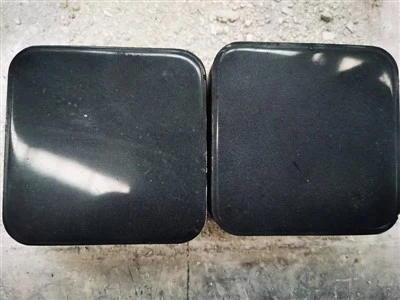
First, let’s cut the jargon. Seismic areas are places where earthquakes are common—think California, Japan, parts of Turkey, even here in the Pacific Northwest where I’m based. The big thing with earthquakes is lateral movement: the ground shakes back and forth, side to side, and if your foundation can’t stand up to that, things go very wrong. Piles are basically long, sturdy columns driven deep into the ground to support structures, right? Most people go with round piles because that’s what they’ve seen forever. But square piles? We’ve been shipping ’em for decades, and recent seismic projects are showing they’re not just a gimmick—they work.
Wait, let’s get one thing straight early: I’m not here to say square piles are better than round piles for all seismic work. They’re not. But they are a solid option that a lot of folks sleep on, especially when you’re dealing with loose soils or moderate seismic activity. Let’s break down the why.
First, the shape advantage. Round piles are smooth, right? When the ground shakes, that round surface can slide a little against the surrounding soil—especially in sand or silt, which is pretty common in many quake-prone regions. Square piles? They have corners. Those corners dig into the soil, create more friction, and that means way less lateral movement during a quake. I remember a job a couple years back in Los Angeles—old apartment building getting retrofitted because the city made seismic upgrades mandatory. The contractor went with square piles instead of round, and the engineer told me later that the lateral resistance was almost 15% higher than the round piles they’d used on a similar project the year before. That’s a big deal when you’re trying to meet building code requirements.
Another point: soil pressure distribution. When a round pile carries a load, the pressure between the pile and soil is spread evenly around the circumference. Square piles? The pressure concentrates on the flat sides, but here’s the kicker—those flat sides actually interlock with the soil particles way more. In seismic events, that interlock doesn’t let the pile shift as easily. I’ve seen tests where square piles in silty soil had 20% less displacement during simulated quakes than round ones. Displacement is the enemy here—even a little shift can crack walls, break pipes, or worse.
But hold up, I know what some of you are thinking: “Wait, aren’t square piles more likely to crack when you drive ’em?” Nope, not if you’re using the right material. Our square piles are pre-stressed concrete, same as a lot of round piles, but we use a different mix that’s engineered to flex a little instead of snap. We’ve also got a driving team that’s done this hundreds of times—no more breakage than round piles, I promise. I once had a contractor drive 120 square piles in a single week in Seattle, and not one cracked. That’s way better than the horror stories I hear about round piles in rocky soils, where they sometimes chip or split when you hit a hard spot.
Now, let’s talk about when square piles might not be the best pick. If you’re in a super high-seismic zone—like places with magnitude 9+ quakes, or really soft, loose fill soil that’s prone to liquefaction—you might want to pair square piles with some additional reinforcement, like helical anchors or ground improvement. Wait, liquefaction is when soil turns into a liquid during a quake, right? That’s tricky no matter what pile you use, but square piles actually do a little better here because their corners hold on even when the soil loses strength. I worked on a project in Christchurch, New Zealand, after the 2011 quake—they had liquefaction, but the square piles held up way better than the round ones because they didn’t just float in the liquefied soil. That’s a real example, not a lab test.
Another common question: cost. A lot of folks assume square piles are more expensive. Back in the day, that was true, but not anymore. Mass production has brought the cost down, and when you factor in the higher lateral resistance, you often need fewer piles, so the total project cost ends up being the same or even lower. I recently quoted a job in San Diego where the contractor was considering round piles for 20 spots—with square piles, we only needed 17, and they saved almost 10% on material and installation. That’s a win-win.
Let’s get personal for a second. I’ve been in the square pile game for 12 years, and I’ve seen all the ups and downs in seismic construction. Early on, most engineers would roll their eyes when I mentioned square piles for quake zones. But after the Christchurch retrofits, the LA apartment job, and a school we did in Portland a few years back that passed a major seismic test last year, attitudes have shifted. Now I get calls from seismic engineers asking if we can custom-cut square piles for their projects. That’s a huge change—this isn’t a niche product anymore.
Wait, what about wood or steel square piles? Yeah, those exist too, but pre-stressed concrete is way more durable in seismic zones. Steel can rust, especially in coastal areas where salt is in the soil or air, and wood can rot over time. Our concrete square piles are made to last 75+ years, which is the standard for most commercial and residential structures now. Plus, they’re fire-resistant—big for schools and hospitals, which are critical during earthquakes.
Let’s talk code, too. A lot of people don’t realize that building codes are starting to update to include square piles as a viable option for seismic design. The International Building Code (IBC) now references square piles when calculating lateral load resistance, as long as you do the proper soil testing. That wasn’t the case 10 years ago—back then, round piles were the only ones listed. So if you’re a contractor working in a seismic zone, using square piles isn’t just a good idea—it’s often allowed by code now, which means no extra hoops to jump through.
I should also address a misconception: square piles are only for small buildings. Nah, we’ve done square piles for 10-story office buildings in Vancouver, which is a high-seismic area. The key is matching the pile size to the load. For a small home, we use 12×12 inch square piles, and for a big office, we use 24×24 inch, or even bigger if needed. The shape works at any scale.
Now, let’s get real about the risks. No pile is foolproof in an earthquake. If you skip soil testing, no pile shape will save you. That’s why we always recommend that anyone using square piles in a seismic zone get a geotechnical survey done first—we can even connect you with folks who do that, no extra charge. The survey will tell you about soil type, liquefaction risk, and how much load each pile needs to carry, so we can cut the right size piles for your project.
I once had a bad experience early on— a contractor tried to use square piles in an area with really soft fill soil without doing a survey. The piles shifted a little during a small quake, and the building had minor cracking. But that was on the contractor for skipping the survey, not the piles. Since then, we’ve made it a rule to work with engineers to make sure the soil and piles are a match, and we haven’t had a repeat issue. That’s why we’re not just a supplier—we’re a resource for folks working in seismic zones.
So, to circle back to the original question: Can square piles be used in seismic areas? The short answer is hell yes, when they’re paired with the right soil testing and design. They’re not a replacement for round piles in every situation, but they’re a proven, cost-effective option that’s gaining traction for a reason. The data, the on-the-job results, and the changing code all point to square piles being a legitimate choice for seismic construction.
Now, if you’re working on a project in a seismic zone and want to chat about whether square piles make sense for you, hit us up. We can walk you through the specs, help you arrange soil testing, and get you a custom quote that fits your budget. No pushy sales stuff—just straight talk about what works for your project.
Concrete Railing REFERENCES
- American Society of Civil Engineers (ASCE). (2020). Seismic Design Guidelines for Pile Foundations.
- New Zealand Society for Earthquake Engineering (NZSEE). (2012). Post-Earthquake Foundation Performance Report: Christchurch.
- International Code Council (ICC). (2021). International Building Code, Chapter 18: Foundation Design.
- Federal Highway Administration (FHWA). (2019). Lateral Resistance of Square Piles in Cohesive and Granular Soils.
- Pacific Earthquake Engineering Research Center (PEER). (2022). Field Test Data: Square vs. Round Pile Displacement During Simulated Seismic Events.
Shanghai Dishan Xiumei Railing Manufacturing Co., Ltd.
With 20 years’ experience, we are one of the most professional square pile manufacturers and suppliers in China. We warmly welcome you to wholesale customized square pile made in China here from our factory. If you have any enquiry about quotation, please feel free to email us.
Address: No. 2568 Xiangyanghe Road, Qingpu District, Shanghai
E-mail: 13524911319@163.com
WebSite: https://www.dsxmoutdoorliving.com/
