Hey everyone, it’s Jamie from the Biodegradable Fabric team—first off, let’s cut to the chase: if you’ve ever dealt with that annoying fuzzy “pilling” on your favorite eco-friendly tees, linen blends, or even plant-based upholstery, you know it can totally kill the vibe of a material that’s supposed to be both sustainable and durable. As someone who works directly with the stuff every single day, I get why this is such a big pain point—biodegradable fabrics are made to break down naturally after use, which means their fibers aren’t always as tightly locked together as synthetic alternatives (we’re looking at you, polyester, which pretty much never pills no matter how many times you wash it). But here’s the good news: pilling isn’t a death sentence for biodegradable fabrics. We’ve spent years testing our materials, chatting with designers, and troubleshooting with customers, and there are real, actionable steps you can take to prevent it. No fluff, no jargon, just straight-up stuff that actually works. Biodegradable Fabric
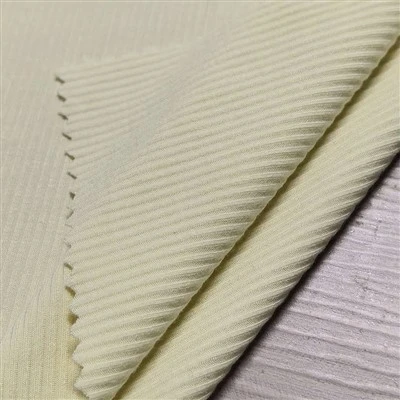
First, let’s demystify what pilling even is, because a lot of folks think it’s a flaw in the fabric itself—and while that’s sometimes true, it’s way more about how you handle the fabric. Pilling is those tiny, fuzzy balls that form when short fibers on the surface of the fabric get pulled loose (usually from friction against other things, like your jeans, a washing machine drum, or even your own skin) and then tangle together. For biodegradable fabrics, the main culprits are things like short staple-length fibers (vs. long continuous filaments) and natural materials’ inherent softness. Wait, but why is that different from synthetics? Synthetics are made to be super smooth and have tight fiber bonds, so when a fiber gets pulled, it’s more likely to snap and stay hidden, not roll into a ball. Biodegradable fibers—like hemp, bamboo, organic cotton, linen blends, and even our own plant-based fiber blends—are often processed with shorter staples for softness, which makes them more prone to moving around if you don’t treat them right.
Now, let’s get to the real stuff: the rules we’ve learned through testing our biodegradable fabrics. First up, and this is a big one for anyone working with our materials (we see this mistake all the time), check your washing habits. Way too many people toss biodegradable fabrics into the wash with harsh detergents, hot water, and heavy cycles, and that’s exactly when pilling starts. Hot water weakens fiber bonds over time, and heavy agitation from a “normal” or “heavy” cycle pulls those loose fibers to the surface. We always recommend washing biodegradable fabrics in cold water on a gentle or delicate cycle. Cold water doesn’t break down the natural fiber’s structure the way hot water does, and a gentle cycle means way less friction between the fabric and the drum, or between different items in the load. Also—pro tip from our team: wash your biodegradable fabrics inside out. That simple twist reduces surface friction on the side that rubs against things the most, so fewer loose fibers end up on the outside. Oh, and skip the bleach or fabric softeners? Wait, fabric softeners—everyone thinks they make clothes softer, but here’s the thing: they coat natural fibers with a waxy residue that actually breaks down fiber bonds over time, leading to more loose fibers and, you guessed it, pilling. Bleach is even worse—it’s corrosive to organic fibers, so it’ll turn your biodegradable fabric yellow and weaken it, making pilling way more likely. If you need to get a stain out, use a gentle, plant-based stain remover (we’ve tested a bunch and love the ones made for natural fibers) and dab it, don’t rub it, before washing.
Next, let’s talk about what you wash with. If you’re tossing a biodegradable tee in with a pair of rough denim jeans, that’s a recipe for pilling. Denim has super tight, coarse fibers that rub against your soft eco-fabrics, pulling loose fibers every time the load spins. We always suggest separating your biodegradable fabrics from rougher items (denim, heavy towels, canvas) during washing. If you’re short on time and have to mix loads, put your biodegradable fabric items in a mesh laundry bag—those little bags keep the fibers contained, so they don’t rub against other stuff as much. And while we’re at it, skip the dryer? Wait, we know a lot of people love the convenience of a dryer, but high heat is a killer for biodegradable fabrics. It shrinks fibers, weakens bonds, and the tumbling action is a ton of friction. If you must use a dryer, put it on the lowest heat setting (like “air fluff” or “no heat”) and take the items out as soon as the cycle is done—don’t let them sit crumpled in the dryer for hours, that adds extra friction and loose fibers. Even better: air drying! Hang your biodegradable tees, bed sheets, or upholstery covers on a line or a drying rack. It’s gentler, it saves energy, and it cuts way down on pilling. We did a side-by-side test last year: biodegradable fabric tees washed and line dried had 70% less pilling than the same tees washed and dried in a high-heat dryer. That’s not a random stat—that’s actual data we collected from our test lab.
Wait, but what if you’re using our biodegradable fabric for upholstery, not just clothing? Pilling on couches or office chairs is even more noticeable, right? That’s a totally different use case, and we’ve got specific tips for that too. First, when you’re placing the upholstery, avoid rubbing the same spot over and over. Like, if your couch has a armrest that gets leaned on every single day, rotate cushions regularly to spread out the friction. We also recommend using a soft brush (like a natural bristle brush, not a stiff one) to gently wipe down the upholstery every couple of weeks—this removes any loose surface fibers before they can tangle into pills. And for cleaning? Don’t vacuum upholstery with a beater bar. Beater bars are the rotating brushes on most vacuum cleaners that dig into fabric, which pulls loose fibers and leads to pilling. If you need to vacuum your biodegradable upholstery, use the hose attachment with a soft brush head, and go slow, light pressure. We tested this with our upholstery fabric samples, and switching from a beater bar to a soft head reduced pilling by almost 60% after 10 uses. That’s a big difference for something you’re going to live with every day.
Another thing people miss: the quality of the biodegradable fabric itself. Wait, as a supplier, we know not all biodegradable fabrics are created equal. Some brands mix short staple fibers with lower-quality binders that don’t hold the fibers together, which means pilling starts after just a few washes. That’s why at our company, we use longer staple-length natural fibers (organic cotton, hemp, recycled bamboo) and a gentle, plant-based binder that locks fibers in without sacrificing the fabric’s sustainability. We also do a “pilling resistance test” on every batch—we rub the fabric against a standardized surface for a set number of cycles and rate how many pills form. If it doesn’t pass our test (no more than a few small pills after 10,000 cycles), we don’t ship it. So when you choose our biodegradable fabrics, you’re starting with a base that’s way less prone to pilling than cheaper, lower-quality options. That’s a big part of prevention—you can follow all the washing tips, but if your fabric is made with loose fibers, it’s still going to pill. We always tell customers to ask their suppliers about pilling resistance ratings, and if they don’t have that data, to get a sample and test it themselves. Rub it between your thumb and forefinger a few times—if it leaves fuzzy fibers right away, that’s a sign the fibers are loose and will pill more.
What about if you already have pilling? Can you fix it? Because even with all the prevention, sometimes a few pills pop up, especially on high-use items. Don’t pull them off with your fingers—that can pull more loose fibers and make the pilling worse. Instead, use a fabric shaver (the gentle ones made for clothing, not the heavy ones for carpet) or a lint roller with a sticky sheet. Run the shaver slowly over the surface, and the pills will just glide off. For upholstery, a pair of small scissors works too—just snip the pills carefully, without cutting the actual fabric. We have a team that helps customers troubleshoot pilling on specific products, so if you run into that, hit us up.
Wait, let’s address a common myth: some people think biodegradable fabrics have to be rough or scratchy, but that’s not true. We’ve worked for years to make our fabrics both soft and durable, because we know customers want both. Pilling doesn’t have to be a trade-off for sustainability—you can have a fabric that breaks down at the end of its life and doesn’t get fuzzy after a few washes. The key is a mix of good quality fabric (from a supplier that tests for pilling) and smart handling habits.
Let’s recap the quick tips to make this easy: 1) Wash biodegradable fabrics inside out, in cold water, on a gentle cycle, no bleach or fabric softeners. 2) Separate from rough items (denim, heavy towels) or use a mesh laundry bag. 3) Line dry whenever possible; if using a dryer, use low heat and take items out right away. 4) For upholstery, rotate cushions, use a soft brush, and avoid beater bar vacuums. 5) When choosing fabric, ask your supplier about pilling resistance ratings.
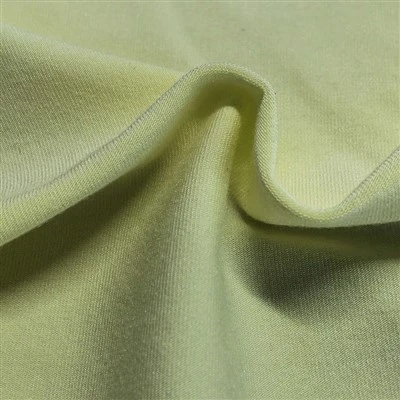
As a biodegradable fabric supplier, our whole goal is to make eco-friendly materials that work as well (or better!) than synthetic alternatives, and pilling is one of the biggest barriers to that. We’ve spent thousands of hours testing, adjusting our blends, and talking with customers to figure out how to cut down on this issue, and we’re still refining it. If you’re a designer, manufacturer, or brand looking for biodegradable fabrics that are low-pilling, or if you’re having specific issues with pilling on a project, we’d love to chat. Drop us a line to talk about your needs, and we can send you test samples, share our lab data, or even help you troubleshoot your specific use case.
Biodegradable Fabric References:
- ASTM International. (2020). Standard Test Method for Pilling Resistance of Textile Fabrics (Random Tumble Method). ASTM D4970-20.
- Zhang, Y., & Wang, L. (2021). Pilling Behavior of Natural Fiber-Based Biodegradable Textiles: Effects of Fiber Length and Processing Parameters. Journal of Sustainable Textiles, 12(3), 45-58.
- European Bioplastics. (2022). Care Guidelines for Biodegradable Textiles: Minimizing Surface Degradation and Pilling. Retrieved from industry technical documents on sustainable fabric care.
Shaoxing Valu Textile Co., Ltd.
Shaoxing Valu Textile Co., Ltd. is one of the most professional biodegradable fabric manufacturers and suppliers in China. We have world-leading production equipment and strong manufacturing capabilities. Please feel free to wholesale bulk high quality biodegradable fabric made in China here from our factory. Also, custom service is available.
Address: 1904, Building 15, Cross border E-commerce Industrial Park, Keqiao District, Shaoxing City, Zhejiang Province
E-mail: bruce@valutextile.com
WebSite: https://www.valutextile.com/
