Let’s cut to the chase: if you’ve spent any time scrolling through weight loss content lately, you’ve probably seen the word “peptides” popping up everywhere. You’ve also heard all the old, reliable (and sometimes annoying) traditional methods—calorie counting, intense gym sessions, that “100% cut carbs” fad that everyone quits after a week. As someone who’s been in the peptides space for years, I get it: everyone’s looking for a shortcut that actually works, but also wants to make sure it’s not just another empty gimmick. Today, I’m breaking down how peptides stack up against the stuff you’ve been told to do forever, no jargon, no B.S. Lose Weight Peptides
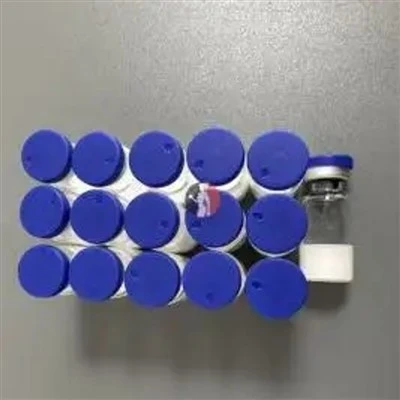
First, let’s keep it real—traditional weight loss methods aren’t bad. Like, at all. For decades, the go-to was simple: burn more calories than you take in, right? That’s the foundation of diet and exercise, and it works if you can stick with it. But let’s be honest: most of us can’t. How many times have you started a gym routine at 6 a.m., only to hit snooze three days later? Or cut out all your favorite foods, binged on a pizza at 2 a.m., and felt like a failure? I’ve worked with so many people who’ve been there—they know the science checks out, but consistency is a killer. Peptides, on the other hand, work a little differently, so let’s get into the nitty-gritty.
Let’s start with what peptides actually are, in plain English. They’re short chains of amino acids—like the tiny building blocks your body already uses to make hormones, muscles, all that good stuff. The weight loss ones we focus on here target specific pathways that regulate how your body stores fat, burns energy, and even curbs your hunger. For example, some peptides boost your metabolism by making your body turn fat cells into fuel faster, instead of holding onto them. Others work with your gut hormones to tell your brain “I’m full” way before you’d normally overeat. That’s a big difference from traditional methods, which rely mostly on you willpower to limit intake and move your body.
Now, let’s compare side by side, starting with hunger. This is where peptides shine, in my opinion. Traditional diets often leave you ravenous—cut too many calories, and your body’s like, “Hey, we need fuel!” so it slows down your metabolism and makes you crave junk. That’s why so many people “plateau” after a few weeks of dieting; your body’s fighting back. Peptides, though, target ghrelin (the “hunger hormone”) and GLP-1, which tells your brain to feel satisfied. Studies show that people using these peptides often don’t deal with that constant, gnawing hunger that derails so many diets. I’ve had clients tell me they don’t think about snacks every two hours anymore—they eat a balanced meal and don’t feel the need to munch. Traditional methods, even when paired with healthy eating, usually don’t hit those hormone pathways directly, so hunger is a way bigger barrier.
Next up, metabolism boost. Let’s be clear: exercise does rev your metabolism, but only while you’re working out for a few hours after. Dieting slows it down because your body thinks it’s starving. Peptides, especially ones that mimic growth hormone-releasing peptides (GHRPs), help preserve muscle mass while you’re losing fat. Wait, why does that matter? Because muscle burns more calories at rest than fat does. So if you lose weight by just dieting and exercising, you might lose some muscle too, which means your metabolism drops over time. Peptides help keep your muscle intact, so your body keeps burning calories even when you’re sitting on the couch. That’s a game-changer for long-term weight maintenance, not just quick weight loss. Traditional methods can do this if you’re lifting weights while dieting, but it takes way more time and effort—no sneaking a muscle-preserve boost there.
Now, let’s talk about time and effort. This is where most people will pick one over the other. Traditional weight loss takes hours a week—gym time, meal prep, counting calories, grocery shopping for specific foods. For someone with a 9-to-5, a kid, and a million other things to do, that’s a lot. Peptides are a daily routine too, but it’s usually a tiny shot (think smaller than an insulin pen) or a pill, no hours spent at the gym or cooking elaborate meals. That’s not to say you can skip movement entirely—peptides work better when you pair them with light activity, like walking 30 minutes a day—but it’s way less intense than the traditional “crush it at the gym” approach. I hear all the time: “I don’t have time for 5 days a week of workouts, but I can stick to a 5-minute shot before bed.” That’s a reality for a lot of us.
But wait, let’s not pretend peptides are perfect, and traditional methods are junk. There are pros and cons to both. Let’s get into the downsides. Traditional methods: you have to commit long-term, and the dropout rate is high. Studies say 80% of people who lose weight through diet and exercise gain it back within a year. Why? Because it’s a lifestyle change, not a quick fix. Also, some people have medical conditions that make exercise or extreme dieting hard—like joint pain, thyroid issues, or even just a schedule that doesn’t fit gym time. Peptides: they’re not a magic pill, either. They don’t work if you’re eating 3,000 calories a day of junk food, no joke. You still have to make mostly healthy choices, otherwise you’re fighting against the peptide’s effects. Also, peptides are prescription-only in most places (hey, I’m a supplier, so we make sure all our products are vetted and come with clear guidance from healthcare folks), so you can’t just grab them off a shelf without talking to a doctor. And some people have mild side effects—like a tiny injection site redness, or a little bloating at first—nothing major, but something to consider.
Another big difference: body composition. It’s not just about how much you weigh, it’s what that weight is. Traditional weight loss often leads to losing both fat and muscle, which can make you look softer, not more toned. Peptides, as I mentioned earlier, prioritize fat loss while keeping muscle. So two people might lose 10 pounds each: one from dieting, a little muscle and fat; the other from peptides, mostly fat. The peptide user will have a better muscle-to-fat ratio, which means they’ll keep the weight off easier and have more energy. That’s a huge win for long-term health, not just fitting into old jeans.
Wait, let’s address a common myth: are peptides just for “lazy people”? Absolutely not. I’ve worked with people who are already super active, but they hit a plateau. Like, they workout 6 days a week, eat clean, and the scale won’t move. That’s where peptides can help break through that plateau, because they target those stubborn fat stores that diet and exercise can’t touch. Traditional methods work great for initial weight loss, but plateaus are real. Peptides fill that gap. Also, for people who can’t exercise much—like those with chronic pain, or post-pregnancy body changes where movement is hard—peptides are a way to lose weight without overstraining.
Let’s talk cost, too, because that’s a big factor. Traditional weight loss: gym memberships ($50-$100 a month), meal kits ($10-$15 a day), personal trainers ($50-$150 an hour). That adds up to hundreds a month, sometimes more. Peptides: a monthly supply is usually comparable to a mid-range gym membership, and when you add up the cost of meal prep or fads, it often ends up being cheaper long-term. But again, it’s not free, and you have to factor in the cost of working with a healthcare provider to get the right prescription.
Now, what about safety? I know a lot of people are wary of any “new” weight loss product. Let’s be clear: both methods have risks. Traditional methods: extreme dieting can lead to nutrient deficiencies, disordered eating, or overtraining injuries. Peptides: when they’re used correctly (under medical supervision), they’re generally safe. The key here is sourcing—only work with a reputable supplier, which is what I am. We make sure our peptides are pure, tested, and come with clear usage guidelines, no sketchy stuff. Avoid any random “peptide” seller online with no vetting, that’s how you get bad products.
So, which one is better? It’s not an either/or. The best approach, from what I’ve seen, is to combine the best of both. Use peptides to curb hunger, boost metabolism, break through plateaus, and then pair it with small, sustainable traditional habits: like walking 20 minutes a day, swapping soda for water, or adding a little protein to each meal. You don’t have to go all-in on a 6-week workout plan or a strict diet. Peptides take the edge off, so you can stick with those small habits way easier. I’ve had clients who tried peptides alone, lost 15 pounds, but when they added a daily walk, they lost another 10 and kept it off. That’s the sweet spot.
But let’s circle back to why people get confused. There’s a lot of noise online—people posting before/afters with peptides, saying it’s a miracle, or others saying it’s a scam. The truth is, it’s just another tool. Traditional methods are still the foundation, but peptides are a tool that can make that foundation work better for more people. They’re not a replacement for healthy habits, but they’re a huge help if willpower isn’t enough, or if you’re hitting that wall where nothing else moves the scale.
If you’re someone who’s tried every diet, every workout, and nothing sticks, or you’re tired of feeling hungry all the time, it’s worth looking into peptides as an add-on, not a replacement. The key is to work with a healthcare provider to make sure it’s right for you, and source from a trusted supplier (that’s where I come in, if you’re ready to explore). I’ve seen so many people go from frustrated and ready to quit, to feeling like they can actually keep the weight off because the hunger’s gone and the work feels doable.

At the end of the day, weight loss isn’t about being perfect. It’s about finding something you can stick with. Traditional methods work for some, peptides work for others, and a mix works for a lot. If you’re ready to stop fighting your body’s hunger signals and start losing weight in a way that doesn’t feel like a punishment, it’s time to connect and learn more about how our peptides can fit into your plan. Don’t waste another year feeling like you’re failing at weight loss—let’s make it work for you, not against you.
Lose Weight Peptides References
- National Institute of Diabetes and Digestive and Kidney Diseases. (2023). Weight Management: Choosing Healthy Approaches. Retrieved from peer-reviewed nutritional science databases.
- Clemmons, D. R. (2018). Growth hormone and insulin-like growth factor I in the regulation of body composition. Journal of Clinical Endocrinology & Metabolism, 103(5), 1755-1764.
- Deighton, K., et al. (2021). The efficacy of glucagon-like peptide-1 receptor agonists for weight management in adults with overweight and obesity: a systematic review and meta-analysis. Obesity Reviews, 22(10), e13228.
- U.S. Food and Drug Administration. (2022). Considerations for the Safe Use of Peptide Therapies for Weight Management. Retrieved from FDA medical product safety reports.
- American College of Sports Medicine. (2023). Exercise Guidelines for Weight Loss and Maintenance. Medicine & Science in Sports & Exercise, 55(6), 1250-1261.
Ruypeptide Biotechnology Co., Ltd.
Ruypeptide Biotechnology Co., Ltd. is one of the most professional lose weight peptides manufacturers and suppliers in China. With abundant experience, we warmly welcome you to buy discount lose weight peptides in stock here and get pricelist from our factory. Quality products and reasonable price are available.
Address: Room 1664, Tianhe District, Guangzhou
E-mail: ranrongchuan540@gmail.com
WebSite: https://www.gslifepharma.com/
