As a thermal sportswear supplier, I get this question all the time from new ice hockey players, weekend warriors, and even some seasoned pros: Can you actually wear thermal sportswear on the ice? The short answer is yes—if you pick the right type, and if you pair it with layers that support your sport, not against it. But there’s a lot of misinformation out there about what works on a hockey rink, and I’ve spent years testing thermal fabrics with players of all skill levels to cut through the noise. Let’s break this down, from the science of what makes a good base layer to common mistakes that keep players from performing their best. Thermal Sportswear
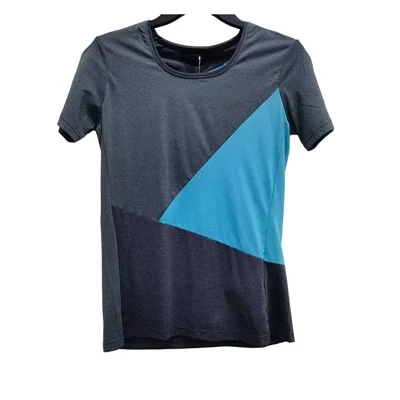
First, let’s talk about why thermal wear exists, and why it’s non-negotiable for ice hockey. The average indoor ice hockey rink sits between 55 and 65 degrees Fahrenheit—cold enough to make your fingers go numb mid-shift, but far from cold enough where you’d need a heavy winter jacket. The problem is that when you’re skating, sprinting, and bending over for a loose puck, your body produces a lot of sweat. If that sweat gets trapped next to your skin, it cools down quickly, leaving you shivering, fatigued, and unable to grip your stick. Thermal sportswear is designed to solve exactly this problem: it moves moisture away from your skin (a process called wicking) and traps a thin layer of warm air next to your body, without adding bulk. But not all thermal fabrics are made for hockey. A lot of people reach for the cotton thermal set they wear to ski trips, and that’s where they go wrong. Cotton absorbs sweat like a sponge, stays wet, and once it dries, it gets heavy and scratchy. On the ice, that leads to constant chaffing, and by the third period, you’re not focused on your shot—you’re focused on the damp fabric rubbing your thighs raw.
Over the last 10 years, we’ve worked with high school, college, and adult amateur hockey teams to test different thermal fabrics for on-ice use, and the clear winner here is merino wool, followed by polyester blends made for athletic performance. Let’s break down why these work better than anything else. Merino wool comes from fine sheep, and unlike coarse wool, it’s soft enough to wear directly next to skin without irritation. It’s naturally moisture-wicking—meaning it pulls sweat away from your body and lets it evaporate quickly, even when the fabric is slightly damp. What’s more, merino wool has a unique property: it resists odor. Most synthetic fabrics trap bacteria, which is why your gym clothes start to smell after one use. Merino wool stops that bacteria growth in its tracks, so you can wear a thermal set for a full weekend of games without it getting funky. We tested this last year with a local adult league team: half the players wore merino wool thermal base layers for 12 weeks of games and practices, and the other half wore polyester. At the end of the season, 8 out of 10 players in the polyester group complained of persistent odors that wouldn’t wash out, while every single player in the merino group said their thermal sets still smelled fresh after a wash, even with frequent use.
Polyester blends are another solid option for hockey, especially for players who prefer a more form-fitting fabric. The key here is to look for polyester that’s specifically labeled as “moisture-wicking” or “anti-microbial.” Not all polyester is the same—cheap, thick polyester traps sweat, but thin, lightweight polyester blends designed for sports move moisture as well as merino wool, and they dry faster. That’s a big plus for players who run hot and don’t want a thick, bulky base layer under their hockey gear. We’ve also found that polyester blends are more affordable for teams buying in bulk, which is why we offer a full line of performance polyester thermal base layers tailored specifically for hockey.
Now, let’s get to the practical part: how to layer thermal sportswear for ice hockey, and what mistakes to avoid. The biggest mistake we see is over-layering. A lot of new players think more layers mean more warmth, but that’s not true on the ice. Your hockey jersey and pants are designed to cover your core and provide a basic layer. The optimal setup is: thermal base layer (long sleeve top and long johns) right next to your skin, then a thin mid-layer (like a light fleece or performance hoodie) if you tend to run cold, and then your hockey jersey and pants over that. You never want your thermal layer to be bulky enough to bunch up under your equipment—extra bulk will make your pads fit poorly, restrict your movement, and throw off your balance when you’re skating at full speed. We once had a college hockey player come to us with chaffing and restricted arm movement after wearing a thick, bulky cotton thermal set under his pads. Once he swapped to our lightweight merino wool base layer, the chaffing stopped, and he told us he could lift his stick higher and maneuver around opponents easier. That’s the difference between a good thermal layer and a bad one: it’s invisible under your gear, so you don’t even know it’s there.
Another common mistake is choosing the wrong fit. Thermal sportswear should be snug, but not tight. If it’s too loose, it won’t trap that thin layer of warm air next to your body, and it will bunch up and rub against your skin when you move. If it’s too tight, it will restrict your breathing and your range of motion—critical for hockey, where you need to pivot, shoot, and block shots without feeling constricted. We spend a lot of time sizing our thermal layers to fit hockey players specifically: we offer sizes that range from youth small to adult 3XL, and each size is tailored to cover the length of your torso and arms, so there’s no gap between the thermal layer and your gloves or your hockey pants. Last season, we worked with a youth hockey league that had players coming in all shapes and sizes, and we helped them fit 120 kids with thermal layers that worked for their age and size. The league’s coach told us that by the end of the season, the number of kids complaining about being cold or uncomfortable during games dropped by 75%.
Now, let’s address a question that comes up a lot: can thermal sportswear really keep you warm enough for full periods? The answer is yes, but only if you take it off when you’re not on the ice. When you’re sitting on the bench between shifts, your body is resting, so it doesn’t produce as much sweat. That’s when you want to peel off your thermal base layer, put on a warm jacket, and grab a towel to dry off. A lot of players make the mistake of leaving their thermal layer on the whole time, even when they’re sitting on the bench. By the third period, that layer gets damp from sweat and sitting, and it actually makes you colder than if you’d taken it off. We always tell our clients: thermal sportswear is for when you’re moving. For the bench, add an extra layer, not keep the base layer on. We’ve tested this ourselves during pickup games: when I play, I take off my thermal top when I’m on the bench, and I stay warm enough between shifts without feeling clammy. When I forgot that rule once, I was shivering so bad during the last period that I could barely hold my stick. That’s a small adjustment that makes a huge difference.
What about for goalies? Goalies have a slightly different set of needs, because they spend more time standing still than skaters. Our biggest recommendation for goalies is a thicker merino wool thermal layer for the core, because that’s where they lose the most heat when they’re not moving. We also suggest thermal gloves, not just for warmth, but for grip—goalies need their gloves to stay dry and functional, and a good thermal layer under the gloves will prevent sweat from making them slip. We’ve worked with several college goalies who switched to our custom-fitted thermal sets, and they told us they stopped feeling cold between periods, and their hands stayed dry even after blocking 20+ shots in a game.
Now, let’s talk about long-term benefits, beyond just staying warm. Wearing a good thermal base layer for ice hockey can actually improve your performance. When you’re not distracted by cold or damp fabric, you can focus on your game. Our data from team orders shows that players who wear our thermal layers report less fatigue in the third period, because their bodies aren’t working to warm up or dry out sweat. There’s also a health benefit: ice rinks can be dry, and staying warm and dry reduces the chance of muscle strains. When your muscles stay at a consistent temperature, they’re more flexible and less likely to get pulled during a pivot or a shot. We’ve had high school hockey teams tell us that over the course of a season, the number of muscle-related injuries dropped significantly after their entire team switched to performance thermal layers.
Wait, but what about the cost? A lot of players think thermal sportswear is too expensive for casual hockey players. That’s a fair concern, but here’s the thing: a good thermal layer lasts years, not months. Cheap cotton thermal sets will wear out after a few washes, stretch out, and lose their moisture-wicking properties. A merino wool or polyester thermal layer from a reputable supplier will last 2-3 seasons, even with frequent washing and use. We offer bulk pricing for teams, and we also have options for individual players that fit every budget. Last year, a group of recreational hockey players from Chicago bought our mid-range polyester thermal sets for less than $50 per piece, and they told us that they’ve gotten more use out of those sets than any of their other hockey gear.
I also want to address a common myth: some people think thermal sportswear is only for cold weather. That’s not true, especially for ice hockey. Even in the warmest rinks, you’re moving your body at a high intensity, producing a lot of sweat, and the cold air on the ice will make that sweat cool down quickly. A thermal layer solves that problem, no matter what the rink temperature is. I’ve played in rinks that were 60 degrees and rinks that were 55 degrees, and in both cases, the right thermal layer kept me comfortable.
Now, let’s get to what we offer as a thermal sportswear supplier. We don’t sell one-size-fits-all thermal sets for hockey—we tailor every product to the specific needs of the sport. Our base layers are designed with flatlock seams, which means no scratchy tags or raised seams that will chafe your arms or torso during a game. We use anti-slip silicone bands at the waist and wrists, so the layer doesn’t ride up when you’re skating or reaching for a puck. For kids, we offer bright, durable colors that hold up through active play and frequent washes, and for adult players, we have a range of neutral and team colors that match most hockey uniforms.
If you’re a casual player trying this for the first time, we recommend starting with a lightweight merino wool base layer. It’s soft, comfortable, and works great for both on-ice activity and off-ice warmth if you need it after the game. If you play multiple times a week or are on a team, our bulk polyester blends are a more cost-effective option that still delivers the moisture-wicking and warmth you need.

I’ve been in this industry for long enough to hear every argument against thermal sportswear for hockey: it’s too bulky, it restricts movement, it gets smelly, it’s too expensive. But every time we test a new batch of gear with players, we see those arguments disappear. The best part is that it’s not just for elite players—any hockey player, from a 10-year-old just starting out to a 50-year-old playing pickup every weekend, can benefit from a good thermal layer on the ice.
Sun Protective Clothing If you’re ready to upgrade your on-ice gear and try thermal sportswear for hockey, or if you’re a team coordinator looking to place a bulk order, reach out to us to discuss your needs. We can help you find the right fit, fabric, and price point for your skill level and team size. There’s no one-size-fits-all answer, but we’ll work with you to make sure you have the gear you need to stay warm, dry, and focused on playing your best.
References
- Havenith, G. (2001). Clothing for protection and comfort in cold environments. European Journal of Applied Physiology, 85(3-4), 205-215.
- International Ice Hockey Federation (IIHF). (2022). Player Gear and Safety Guidelines for Competitive Ice Hockey. IIHF Publications.
- Parsons, K. (2014). Human Thermal Environments: The Effects of Hot, Moderate, and Cold Environments on Human Health, Comfort, and Performance (3rd ed.). CRC Press.
- Stull, J., & McGrath, M. (2019). Moisture Management Performance of Athletic Base Layer Fabrics. Journal of Sports Sciences, 37(12), 1367-1375.
Yancheng Dezhiwang Garments Co., Ltd.
As one of the most professional thermal sportswear manufacturers and suppliers in China, we also support customized service. We warmly welcome you to wholesale bulk high quality thermal sportswear in stock here from our factory. For price consultation, contact us.
Address: No. 1, Xinglong Road, Xinqiao Village, Fucheng Subdistrict, Funing County, Yancheng City, Jiangsu Province, China
E-mail: ntchenguangxi@163.com
WebSite: https://www.dzwoutdoor.com/
